
What is the PPWR?
The Packaging and Packaging Waste Regulation, Regulation (EU) 2025/40, replaces the old packaging directive 94/62/EC. It was published on 22 January 2025, entered into force on 11 February 2025 and has applied in all member states since 12 August 2026. Because it is a regulation, the rules apply directly and the same everywhere.
Are pallets covered by the PPWR?
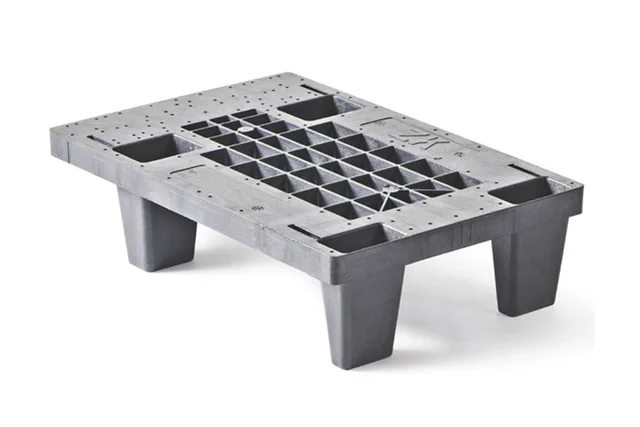
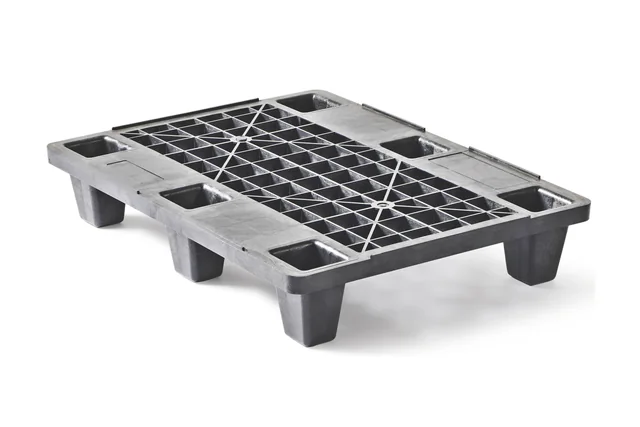
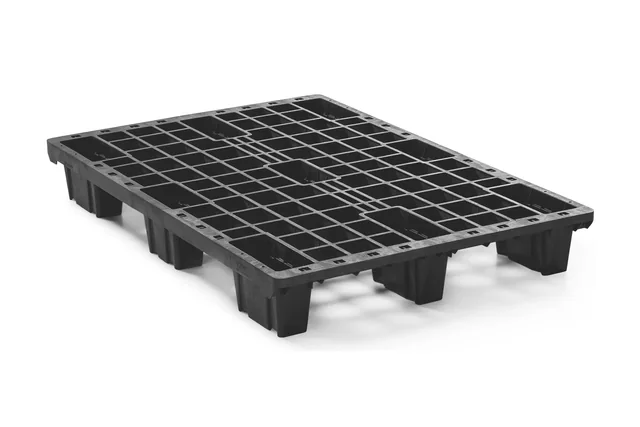
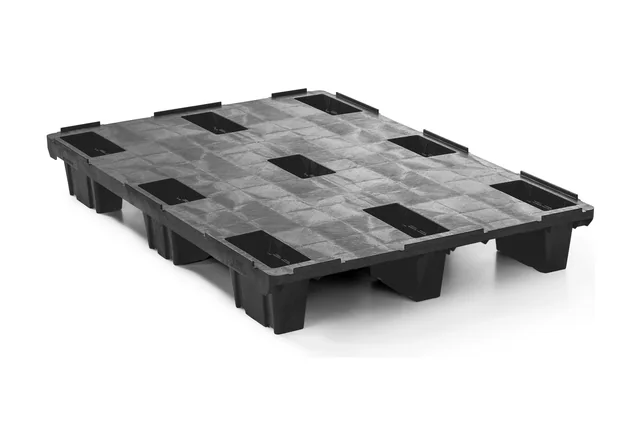
Yes. Pallets are transport packaging. The regulation explicitly names pallets in the reuse targets for transport packaging, alongside crates, foldable boxes, pails and drums.
The key rules for pallets
1. Reuse from 2030 (Article 29)
- From 1 January 2030, at least 40% of the transport packaging you use within the EU must be reusable and part of a reuse system.
- Shipping between your own sites, within your group or between companies in the same member state? Then 100% reuse applies in principle from 2030, with some exemptions.
A plastic pallet lasts for years and is made to be used again and again. That fits this requirement exactly.
2. Declaration of conformity and technical documentation (Article 39)
The manufacturer draws up an EU declaration of conformity (Annex VIII) and keeps technical documentation (Annex VII). Your purchasing or quality department may ask for it. Q-Pall has drawn up EU declarations of conformity per pallet group. For most models you can download it directly on the product page, together with the technical datasheet. For other models we send the declaration on request.
3. Heavy metals (Article 5)
The sum of lead, cadmium, mercury and hexavalent chromium in packaging may not exceed 100 mg/kg. We record this in the documentation as well.
4. Recyclability and labelling
- From 2030, packaging must be designed for recycling (at least grade C, 70% or more on the recyclability scale).
- A harmonised material label follows from 12 August 2028, once the implementing acts are adopted.
Our pallets consist of one material family (recycled HDPE/PP) and are fully recyclable at the end of their life. They go back into the loop.
What does this mean for your pallet choice?
- Choose reusable. A durable plastic pallet counts towards your reuse target; a one-way pallet does not.
- Ask for documentation. Record the declaration of conformity and material composition per pallet model.
- Think in trips. A pallet that lasts longer lowers cost and packaging waste at the same time. Also read plastic vs wooden pallets.
This guide is a summary, not legal advice. Sources: Regulation (EU) 2025/40, SGS (January 2025), Certivo and FreshPlaza (August 2026).